U.S.S. PHOENIX NCC-65420
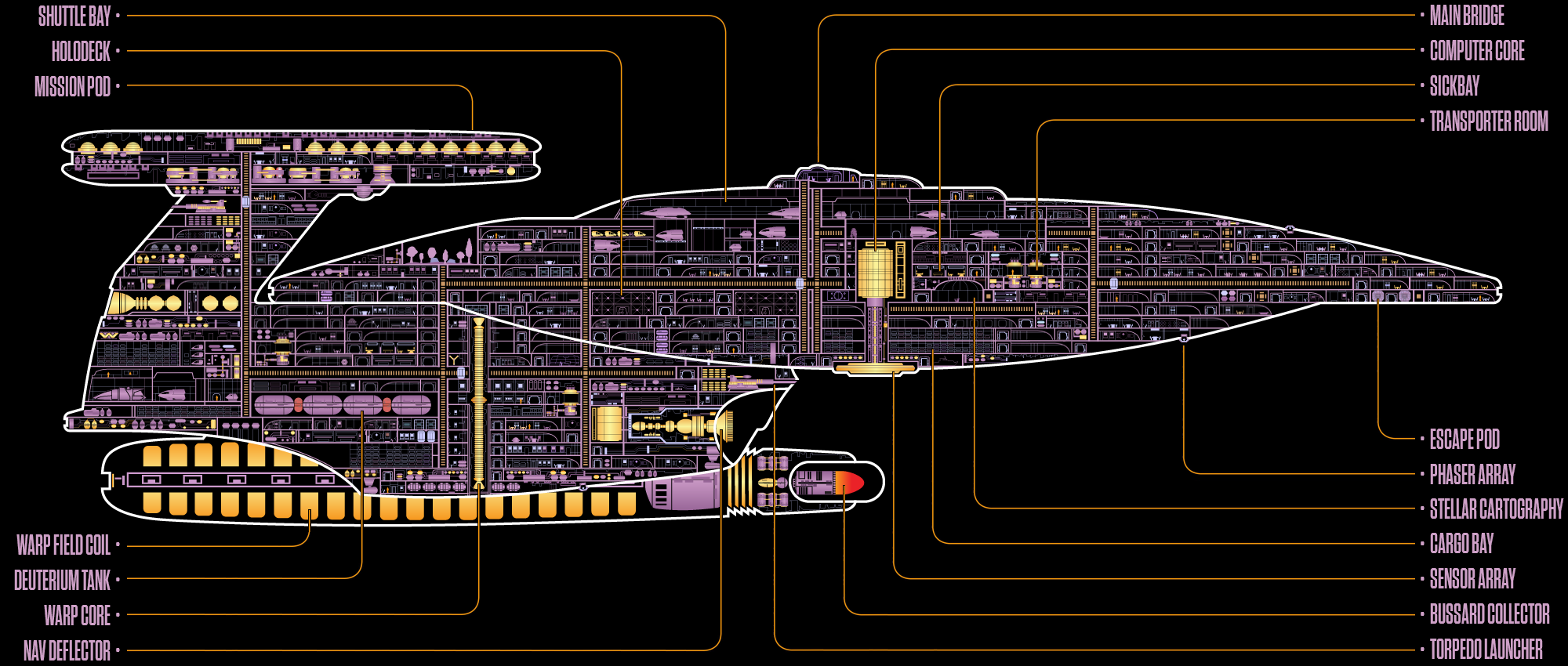
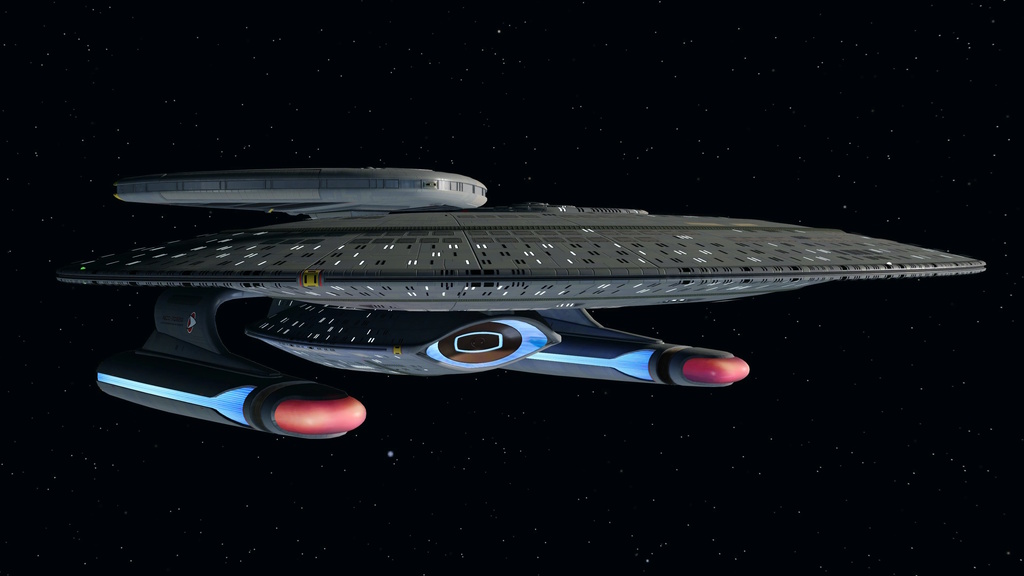
The Nebula-class Starship Development Project began in 2343. The project was a direct descendent of the Galaxy-class starship, with much of the Nebula technology based on the Galaxy-class. The project came about because Starfleet needed a starship with the capabilities of a Galaxy-class starship, but in a smaller package, allowing for faster and more efficient construction. The Nebula-class starship uses a saucer section based on the Galaxy-class design, attached to a smaller stardrive section. The Nebula saucer is not separatable from the engineering hull. The Nebula-class starships feature a large customizable equipment module on top of the engineering hull stardrive section. Depending on the mission of the starship, different modules can be installed. Most Nebula starships are usually configured for weapons and sensors.
The prototype starship U.S.S. Nebula NCC-60147 was commissioned in 2357 at Utopia Planitia Fleet Yards. The U.S.S. Nebula was destroyed by the Borg at the Battle of Wolf 359 in 2367.
The prototype starship U.S.S. Nebula NCC-60147 was commissioned in 2357 at Utopia Planitia Fleet Yards. The U.S.S. Nebula was destroyed by the Borg at the Battle of Wolf 359 in 2367.
SPECIFICATIONS
| NAME/REGISTRY | U.S.S. Phoenix NCC-65420 |
| CLASSIFICATION | Nebula-Class Explorer |
| YEAR COMMISSIONED | 3257 |
| LENGTH | 442 M |
| WIDTH | 464 M |
| HEIGHT | 130 M |
| WEIGHT | 3,309,000 MT |
| DECKS | 33 |
| CREW COMPLIMENT | 750 |
| PRIMARY PROPULSION | Matter/Antimatter Reactor (warp core) |
| SECONDARY PROPULSION | 3 Deuterium Fusion Drive motors (impulse engines) |
| WARP FACTOR | 6.0 (Cruise Velocity); 9.6 (12 hours); 9.8 (Max) |
| ARMAMENT | 2 Strips of 10 Type-X Phaser Banks (5.1 MW); 3 Mark-VIII and Mark-IX Photon Torpedo Launchers |
| COMPUTER CORE | 3 Redundant primary computer cores. Isolinear optical circuits |
| AUXILIARY CRAFT | Up to 12 shuttlecraft |
NOTABLE NEBULA-CLASS STARSHIPS
| REGISTRY | DESIGNATION | CMD. OFFICER | NOTES |
|---|---|---|---|
| NCC-30405 | U.S.S. Lexington | Capt. Wil Toms | Retired to the Fleet Museum at Athan Prime ("The Bounty") |
| NCC-60260 | U.S.S. Honshu | Destroyed en route to Starbase 621 by Cardassians in 2374 ("Waltz") | |
| NCC-60597 | U.S.S. Farragut | Rescued crew of U.S.S. Enterprise-D on Veridian III in 2371; Destroyed by the Klingons in 2373 ("...Nor the Battle to the Strong") | |
| NCC-61795 | U.S.S. Nebula | Destroyed by the Borg at Wolf 359 in 2367 ("The Best of Both Worlds, Part II") | |
| NCC-61827 | U.S.S. Merrimac | Part of Picard's Romulan Blockade 2367-2368 ("Redemption, Part II") | |
| NCC-61832 | U.S.S. Lexington | Part of Adm. Hayes' fleet against Borg Invasion in 2373 (Star Trek: First Contact) | |
| NCC-62006 | U.S.S. Hera | Capt. Silva La Forge | Vanished in 2370 ("Interface") |
| NCC-62048 | U.S.S. Bellerephon | Destroyed by the Borg at Wolf 359 in 2367 ("The Best of Both Worlds, Part II") | |
| NCC-62100 | U.S.S. T'Kumbra | Capt. Solok | The U.S.S. T'Kumbra operates with an all-Vulcan crew ("Take Me Out To The Holosuite") |
| NCC-65420 | U.S.S. Phoenix | Capt. Ben Maxwell | Tested illegal cloaking prototype. Named after Zefram Cochrane's warp ship (2063). ("The Wounded") |
| NCC-71201 | U.S.S. Prometheus | Used by Prof. Gideon Seyetik to revive the dead star Epsilon 119 ("Second Sight") | |
| NCC-71805 | U.S.S. Endeavor | Capt. Amasov | Part of Adm. Hayes' fleet against Borg Invasion in 2373 (Star Trek: First Contact) |
| NCC-72015 | U.S.S. Sutherland | Lt. Cmdr. Data (temp) | Part of Picard's Romulan Blockade 2367-2368 ("Redemption, Part II") |